
Different vehicle duties
A service van, mobile workshop and utility vehicle can have very different power and runtime requirements.
Define a vehicle power specification for service equipment, electronics and tools using the real load profile and operating environment.
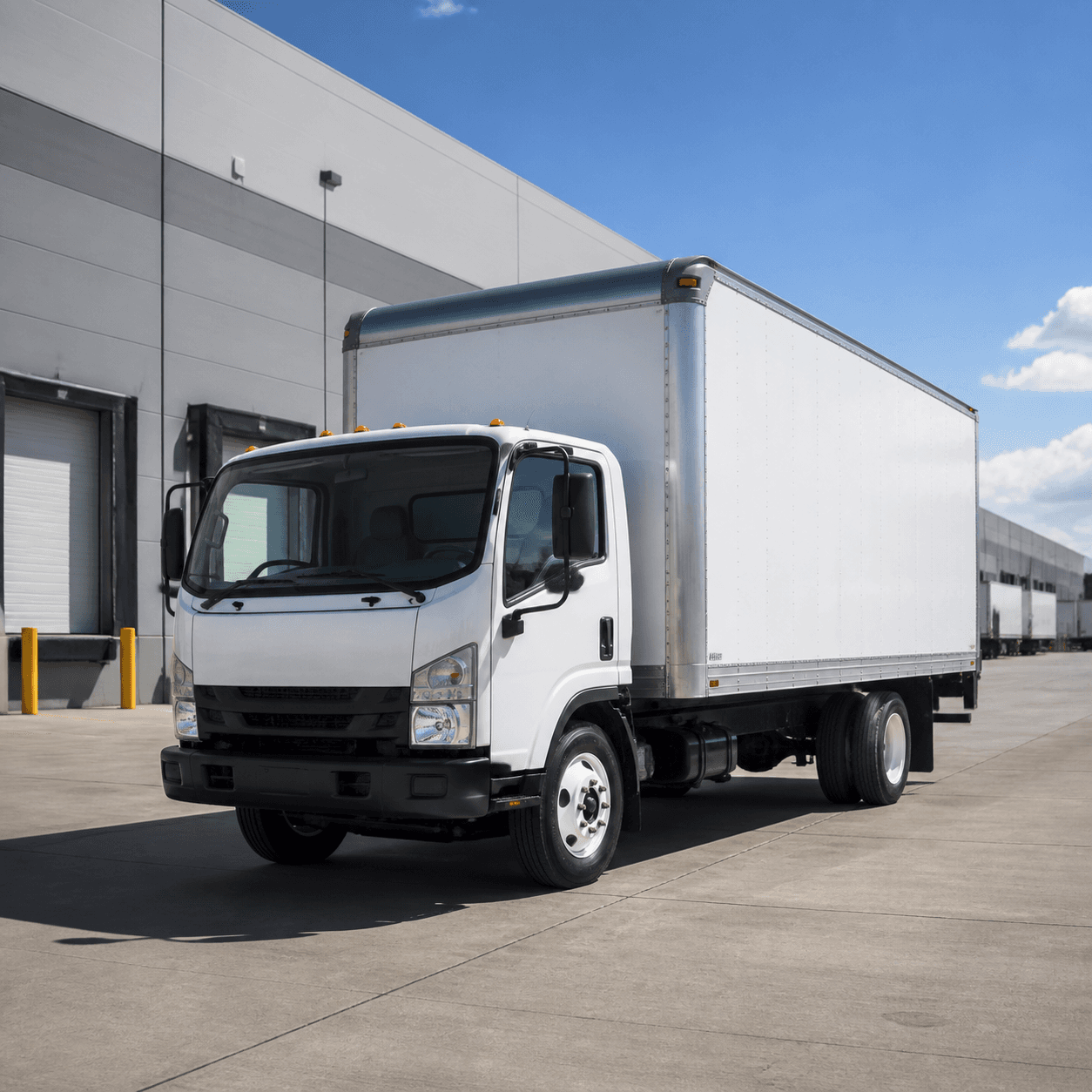
A commercial vehicle inverter can supply AC power for compatible onboard equipment from the vehicle or auxiliary battery system. Selection depends on which loads run together, how often they operate and how the unit is installed and protected.
Use these objective checks to document the system before selecting a model.
A service van, mobile workshop and utility vehicle can have very different power and runtime requirements.
Some equipment needs peak capacity above its normal operating wattage, which must be checked separately.
Cable length, battery connection, protection, mounting and operator access all affect the installation.
Only confirmed product direction and objective selection logic are shown. Exact functions, specifications and certification coverage remain model-specific.
Continuous and startup demand are documented separately before a product recommendation is made.
12V and 24V product directions can be evaluated against the confirmed vehicle electrical platform.
Compatible equipment receives pure sine wave AC within the chosen model’s output limits.
Selected interface, branding and documentation requirements can be reviewed for qualified vehicle programs.
HOULI can evaluate a model only after the battery platform, target output, continuous load, startup demand, installation conditions and required documents are defined.
Use the WR Series configuration matrix to organize the technical brief, or contact the HOULI team with the system requirements for a controlled recommendation.
Final cable, fuse and installation decisions should follow the selected model manual and a qualified system review.
Add the wattage of equipment expected to operate at the same time, then keep continuous and peak ratings separate.
Motors, compressors and some power supplies may draw more power during startup than during steady operation.
Select 12V or 24V input to match the battery system. Do not use nominal voltage alone to assume compatibility.
Confirm the required output voltage and frequency for the target equipment and destination market.
Cable size, cable length and fuse protection depend on DC current, installation method and the selected model manual.
If a listing or market-specific document is required, confirm coverage for the exact model and intended use before ordering.
Compare adjacent use cases where battery architecture, mobile installation or load planning may overlap.



Review the WR Series selection inputs or contact HOULI with the battery voltage, target output, continuous load, startup demand and required documents.